Welcome to the 2013 Work Year!
 It is more or less impossible to be any kind of professional these
days and not experience frequent bouts of intense stress. The difference
between those who are successful and those who aren't is not whether or not you suffer from
stress, but how you deal with it when you
do. Here are nine scientifically-proven strategies for defeating stress
whenever it strikes. (Source: HEIDIGRANT HALVORSON, HBR.)
It is more or less impossible to be any kind of professional these
days and not experience frequent bouts of intense stress. The difference
between those who are successful and those who aren't is not whether or not you suffer from
stress, but how you deal with it when you
do. Here are nine scientifically-proven strategies for defeating stress
whenever it strikes. (Source: HEIDIGRANT HALVORSON, HBR.)
1. Have
self-compassion. Self-compassion, in essence,
cutting yourself some slack.
2. Remember the "Big Picture." Anything you need or want to do can be thought of in more than one
way. So when staying that extra hour at work at the end of an exhausting day is
thought of as "helping my career" rather than "answering emails
for 60 more minutes," you'll be much more likely to want to stay put and
work hard.
3. Rely on routines. Reduce the number of
decisions (tiring and stressful activity) you need to make by using routines.
You need to focus your decision-making energy.
4. Take five (or ten) minutes to do something you find
interesting. Keep these two very
important points in mind: First, interesting is not the same thing as pleasant,
fun, or relaxing (though they are certainly not mutually exclusive.) It needs
to be interesting or it won't replenish your energy. Second, interesting does not have to mean
effortless. Interest replenished energy showed that it did so even when the
interesting task was difficult and required effort.
5. Add where and when to your to-do list. Do you have a to-do
list? Deciding in advance when and where
you will complete a task (e.g., "If it is 4pm, then I will return any phone
calls I should return today") can double or triple your chances of
actually doing it. So take the tasks on
your to-do list, and add a specific when and where to each.
6. Use if-thens for positive self-talk. Another way to combat
stress using if-then plans is to direct them at the experience of stress
itself, rather than at its causes. For instance, "If I see lots of emails
in my Inbox, then I will stay calm and relaxed," or, "If a deadline
is approaching, then I will keep a cool head."
7. See your work in terms of progress, not perfection. A Get-Better mindset leads instead to self-comparison and a concern
with making progress — how well are you doing today, compared with how you did
yesterday, last month, or last year? (vs. be-good which you compare to others,
causing stress). When you think about what you are doing in terms of learning
and improving, accepting that you may make some mistakes along the way, you
experience far less stress, and you stay motivated despite the setbacks that
might occur.
8. Think about the progress that you've already made. It's the "small wins" that keep us going,
particularly in the face of stressors.
9. Know whether optimism or defensive pessimism works for you. What's your motivational style, and is "staying positive"
right for you? Some people think of
their jobs as opportunities for achievement and accomplishment — they have what
psychologists call a promotion focus. In the language of economics, promotion focus is all about
maximizing gains and avoiding missed opportunities. For others, doing a job
well is about security, about not losing the positions they've worked so hard
for. This prevention focus places the emphasis on avoiding danger, fulfilling
responsibilities, and doing what feel you ought to do. In economic terms, it's
about minimizing losses, trying to hang on to what you've got. Start by identifying your focus, and then
embrace either the sunny outlook or the hearty skepticism that will reduce your
stress and keep you performing at your best.

 In the messy middle, unexpected obstacles pop up because the path
is uncharted. Fatigue sets in. Team members turn over. Impatient critics attack
just when you think you're gaining traction. Tough challenges almost inevitably
take longer and cost more than our optimistic predictions.
In the messy middle, unexpected obstacles pop up because the path
is uncharted. Fatigue sets in. Team members turn over. Impatient critics attack
just when you think you're gaining traction. Tough challenges almost inevitably
take longer and cost more than our optimistic predictions.
 Nuked bread can last up to
60 days, according to the company, MicroZap, which spun off from Texas
Tech University. Among wasted foods, bread is a major culprit, meeting its end
in the garbage can once it becomes festooned with greenish growths of mold.
This usually happens within 10 days of the bread being baked. MicroZap’s method kills the mold
spores, keeping bread mold-free for two months and helping Americans reduce
some of their food waste.
Nuked bread can last up to
60 days, according to the company, MicroZap, which spun off from Texas
Tech University. Among wasted foods, bread is a major culprit, meeting its end
in the garbage can once it becomes festooned with greenish growths of mold.
This usually happens within 10 days of the bread being baked. MicroZap’s method kills the mold
spores, keeping bread mold-free for two months and helping Americans reduce
some of their food waste. 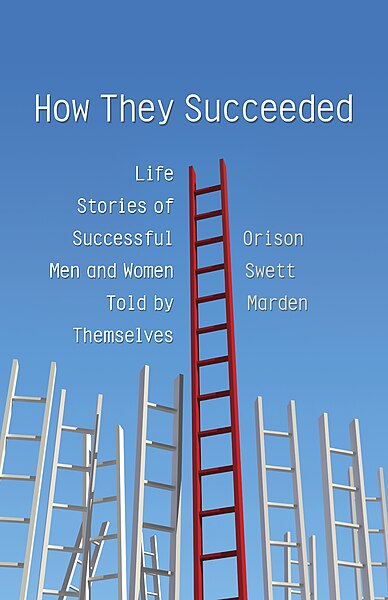 "All who have accomplished great things have had a great
aim, have fixed their gaze on a goal which was high, one which sometimes seemed
impossible."
"All who have accomplished great things have had a great
aim, have fixed their gaze on a goal which was high, one which sometimes seemed
impossible." Soon, dolphins and sea
lions won't be hunting mines any more. The U.S. Navy is
phasing out the Marine Mammal Program. Though trained sea mammals have been
serving the Navy for 50 years, they're retiring to make way for cheaper,
easier-to-manage robots.
Soon, dolphins and sea
lions won't be hunting mines any more. The U.S. Navy is
phasing out the Marine Mammal Program. Though trained sea mammals have been
serving the Navy for 50 years, they're retiring to make way for cheaper,
easier-to-manage robots.


